
Enter your search term:
x

Uncategorized

Uncategorized

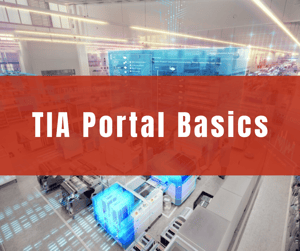
TIA Portal Basics

Modern factory automation is a complex process. Oftentimes, there are dozens of machines communicating and relaying large amounts of information and intricate processes between each one another. With all these nuances and complexities, it isn’t difficult to see how things can quickly become confusing and/or overwhelming to even the most competent employee. However, the Totally Integrated Automation (TIA) Portal works to mitigate these potential roadblocks by providing your business with a complete range of digitalized automation services, from transparent operation to digital planning and integrated engineering. Below, we’ll walk through the basics of the TIA Portal, the advantages it offers – whether it’s shortening your businesses’ time to market or increasing your productivity through additional diagnostics and energy management functions – and how it can benefit your company in the long run.
Uncategorized

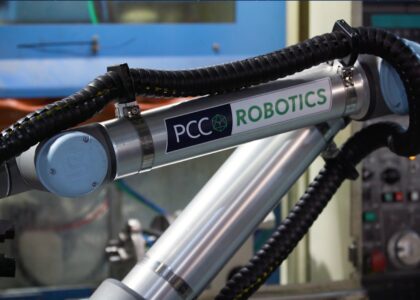
Case Study: Local manufacturer finds added benefits through automation

Therm-Cast Corporation, a Wisconsin based die-caster, was looking to improve labor efficiency in their machining area though the use of automation.  Due to the high-mix, low-volume nature of their business they felt a collaborative robot approach would suit their needs best. Often times a human worker would spend too much time simply loading and unloading the machining center versus more productive activities like CNC programming and part inspection.  After researching potential collaborative robot partners, Therm-Cast chose PCC Robotics to help automate one of their machining centers.   

Uncategorized

Addressing Coronavirus/COVID-19

Addressing Coronavirus/COVID-19
During this time of uncertainty, Advanced Controls & Distribution (ACD) would like to assure our customers and partners that we are actively monitoring the COVID-19/Coronavirus situation and are taking the steps recommended by the Centers for Disease Control and Prevention (CDC) and local health authorities to help keep our communities safe.

Uncategorized

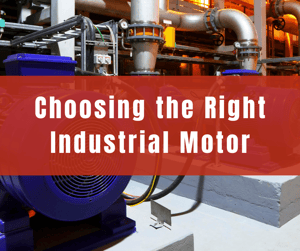
Choosing the Right Industrial Motor

The task of choosing the right industrial motor can be daunting. There are a plethora of options, each specializing in a specific task or process. So how do you know if you’re choosing the right one or just wasting your money on something unsuited for your business? Below, we’ll walk you through the basics of the different types of industrial motors and help make sure you’re choosing the right motor for your company’s needs. 

Uncategorized

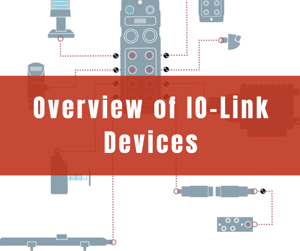
Overview of IO-Link Devices

With sensor technology becoming more ubiquitous in modern industrial plants, IO-Link devices are becoming increasingly sought after and vital in the workspace. By its definition, IO-Link is “an open-source, serial point-to-point communication protocol for connecting sensors and actuators to an automation system.” Simply put, IO-Link devices can offer numerous advantages over standard sensors, while also allowing laying the foundation for additional opportunities in the Industrial Internet of Things (IIoT). Below, we’ll give a brief overview of IO-Link devices, detail how they operate, and outline the specific advantages they offer over standard industrial sensors.

Uncategorized

AC-Direct Driving LED Strings

With each passing year, LED lights (light-emitting diodes) are continuing to offer better performance at a lower cost. Because of this, the main expense now associated with LEDs is the infrastructure in the conventional lighting fixture – the housing, connectors, PCB, optics, and perhaps most critically of all, the power supply. This has driven attempts to design and create more inexpensive architecture, specifically looking to reduce the cost of the power supply. Below, we’ll discuss the development of AC-direct LED systems and how it has helped to eliminate the need for a conventional and expensive AC-DC switch-mode power supply.

Uncategorized

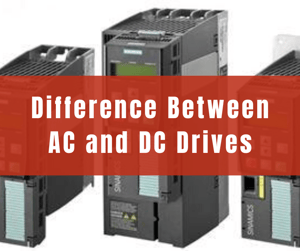
Difference between AC and DC Drives

 
Understanding the distinction between AC and DC drives and their roles in the regulation of speed and power in electric motors can be critical to helping your business. Simply put, a drive is a device that is used to control the speed of an electric motor by altering the frequency of the electrical supply to the motor. AC and DC drives perform this action in markedly different ways and to differing effects. Below, we’ll discuss the distinctions between the two types of drives and help you determine which drive – whether AC or DC – would be best suited for your application.